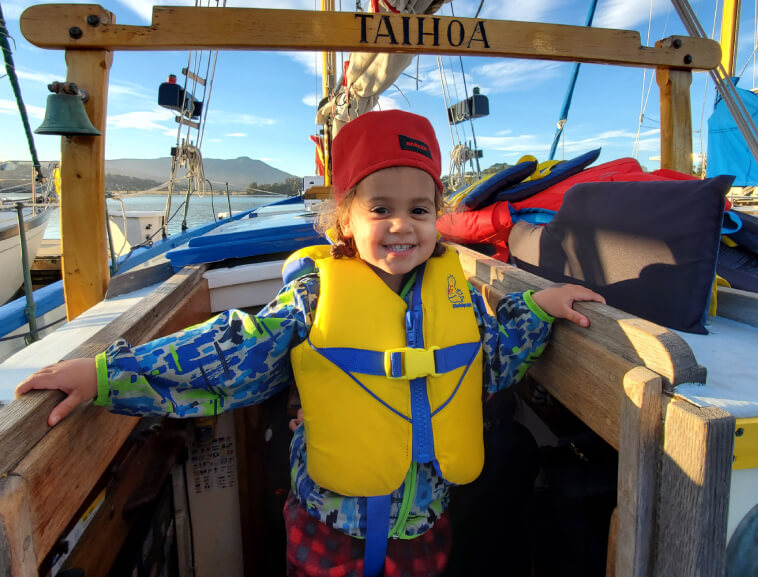
Winter Sailing on San Francisco Bay: A Season Worth Rethinking
From the cockpit of a sailboat, seasons feel different than they do on land. After decades sailing oceans and the inland waters of San Francisco Bay, I’ve learned that some of our most comfortable, luminous days arrive when many people least expect them—during the winter months. Visitors and locals alike often assume that winter on the Bay must be colder, harsher, and less inviting than summer. In practice, the opposite is frequently true.
If you’re new to sailing—or new to the Bay—this post is for you. My goal is simple: to explain why winter sailing can be remarkably pleasant, how the weather patterns work, and why a well-designed vessel like Taihoa, a classic Tahiti ketch, is particularly well suited to the Bay’s year-round personality.
Why Winter Can Feel Warmer on the Water
San Francisco’s reputation for cold comes largely from summer. During spring, summer, and early fall, inland California heats up. That warm air rises, creating a low-pressure area inland. Cooler, denser air offshore rushes in to replace it, producing the familiar afternoon westerlies—often brisk, gusty, and accompanied by fog.
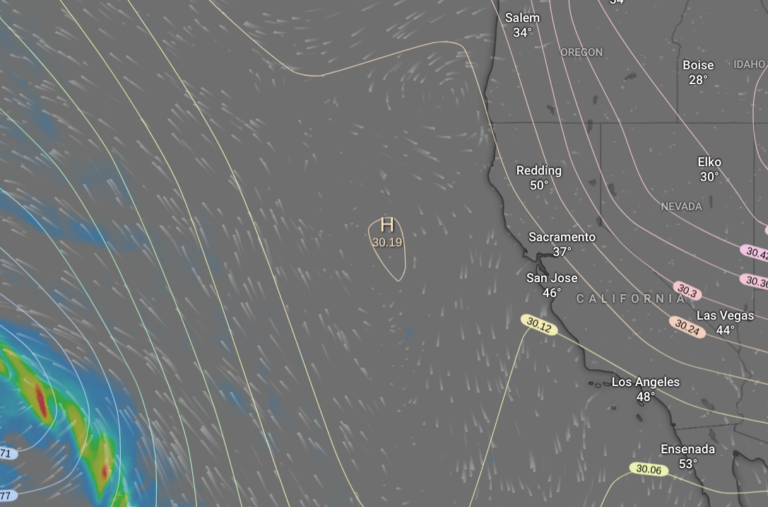
Winter tells a different story. The temperature difference between inland areas and the ocean shrinks. When there is no storm passing through, the atmosphere often settles into a high-pressure system. High pressure means sinking air, clearer skies, and—critically for sailors—lighter, steadier winds.
On the water, lighter wind often equals comfort. You are not fighting spray driven by 20 knots of breeze. The sun has a chance to shine unobstructed. And because the Bay’s water temperature remains relatively stable year-round, the perceived chill can actually be less than during a windy summer afternoon.
A Plain-English Look at High Pressure Systems
Weather does not need to be mysterious to be respected. In simple terms, a high-pressure system is an area where air is gently descending rather than rising. As it sinks, clouds dissipate. Winds weaken. The atmosphere becomes more predictable.
For winter sailors, this often means:
Clear or mostly clear skies
Excellent visibility
Light to moderate winds
Long stretches of calm, settled conditions
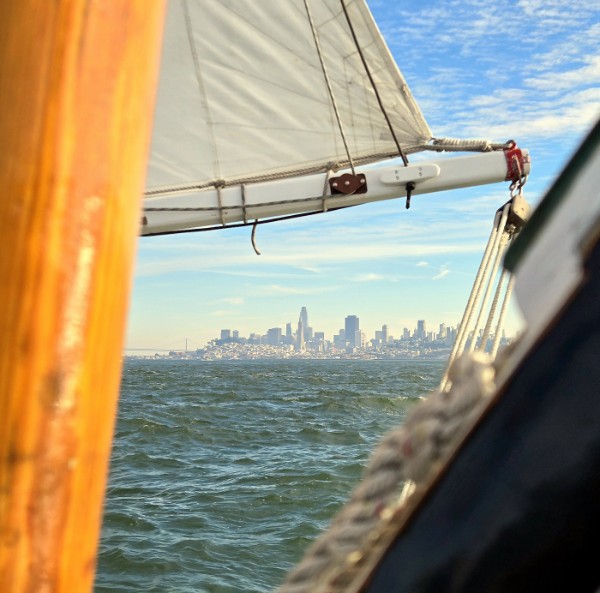
Between winter storm systems—especially after a front passes—the Bay can transform into a wide, sunlit expanse of sparkling water. These are the days when jackets come off, sunglasses go on, and guests are surprised by how comfortable it feels afloat.
Bright Sun, Calm Air, and the Psychology of Warmth
Comfort is not just about air temperature. Wind speed, solar radiation, and humidity all matter. A sunny winter day with 8–10 knots of breeze can feel far warmer than a foggy July afternoon with 22 knots on the beam.
On calm winter days, the cockpit becomes a sheltered, sun-warmed space. The glare off the water is bright, the air is crisp rather than biting, and movement through the Bay is smooth and unhurried. For first-time sailors, these conditions allow you to relax, ask questions, and enjoy the experience rather than brace against it.
Why Taihoa Excels in All Seasons
Taihoa is a Tahiti ketch—a traditional, heavy-displacement design built for real water, not just postcard conditions. Her two-masted rig allows the sail plan to be broken into smaller, more manageable pieces. This matters enormously on San Francisco Bay, where conditions can change quickly.
In winter, that flexibility allows for:
Balanced sail combinations in light air
Smooth motion with minimal heel
Easy adjustments as wind subtly builds or fades
The hull shape and mass provide momentum and stability, reducing the jerky motion that lighter boats can exhibit in variable conditions. Whether the Bay is glassy calm or animated by a passing front, Taihoa feels composed and predictable—qualities that inspire confidence, especially for newcomers.
Storm Awareness, Not Storm Chasing
Winter does bring storms, and they deserve respect. The difference is that winter weather tends to be episodic rather than persistent. Storm systems move through, often with clear timing and strong forecasting confidence. Between them are windows of exceptional conditions.
Modern marine forecasting tools allow experienced skippers to avoid marginal days and choose the best ones. When a storm is present, we stay ashore. When high pressure follows, the Bay opens up in a way that can feel almost private.
This rhythm—storm, clear, storm, clear—is one of winter’s great gifts.
A Different, Quieter Bay
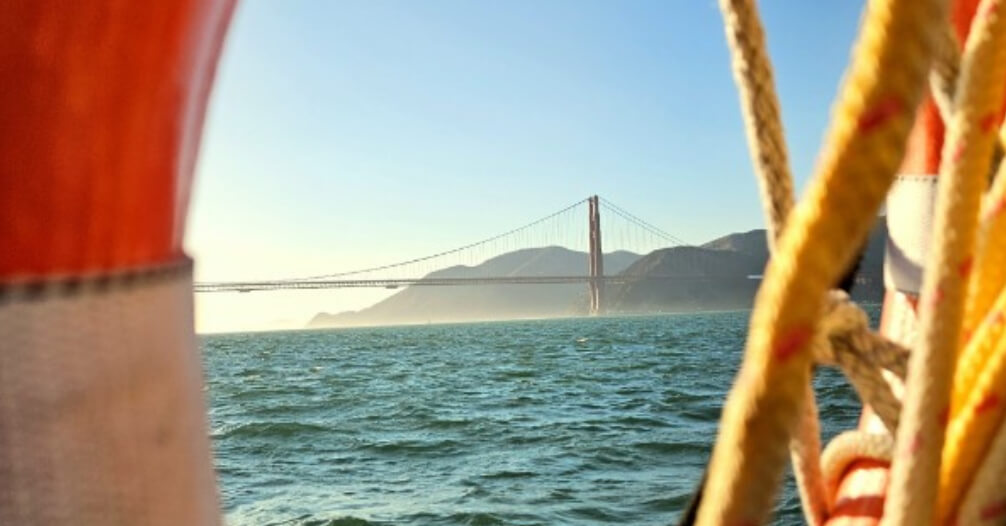
There is another aspect of winter sailing that is harder to quantify but easy to feel: space. Fewer boats. Less traffic. A calmer pace on the water. Wildlife is often more visible. Landmarks stand out sharply in the clean air.
For visitors, it offers a more intimate introduction to the Bay. For locals, it reveals familiar waters in a new light.
Summary: Rethinking the “Cold” Season
Winter sailing on San Francisco Bay is not an endurance test—it is often a revelation. High-pressure systems bring clear skies and lighter winds. Sunshine replaces fog. Comfort improves as wind chill drops. And aboard a capable, well-designed vessel like Taihoa, the Bay becomes accessible, welcoming, and deeply enjoyable.
If you have never considered sailing here between November and March, you may be missing some of the Bay’s finest days. Winter rewards those willing to look past assumptions—and step aboard with an open mind.